
Research & Development
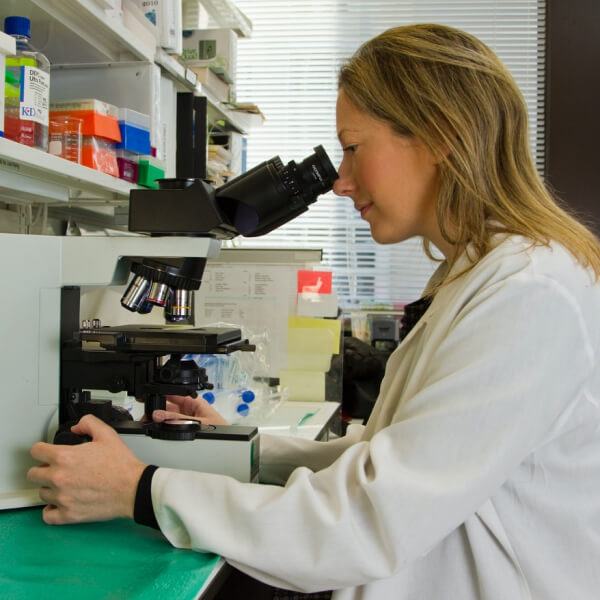
R&D in pharmaceutical companies encompasses the processes of discovering, developing, and testing new drugs, therapies, and medical devices. This involves a complex, multi-stage process from initial research to market approval and post-market surveillance. Key areas include drug discovery, preclinical testing, clinical trials, and regulatory submissions.
Key aspects of Pharmaceutical R&D:
- Drug Discovery:
Identifying potential drug candidates, often involving basic research on diseases and potential treatments, and then screening for promising compounds.
- Preclinical Testing:
Early-stage testing of drug candidates in laboratories (in vitro) and on animals (in vivo) to assess safety and efficacy.
- Clinical Trials:
Testing drugs on human subjects in carefully designed studies to evaluate their safety and effectiveness in treating specific diseases. This involves multiple phases:
- Phase I: Testing on a small group of healthy volunteers to assess safety and dosage.
- Phase II: Testing on a larger group of patients with the target disease to evaluate effectiveness and side effects.
- Phase III: Testing on even larger groups of patients to confirm effectiveness, monitor side effects, compare to existing treatments, and gather information for safe and effective use.
Explore our research sectors
01.
Archiving
Archiving is also vitally important within clinical trials, which must be highly documented, and all information stored long-term. These methods of maintaining documents and chemical and biological samples is therefore an essential part of the research and development of new chemicals
02.
Biology
This may then allow a discovery team to select a molecular target within a biochemical pathway, such as an enzyme or a receptor, where inhibition or stimulation may lead to changes which result in treatment of the disease.
03.
Chemistry
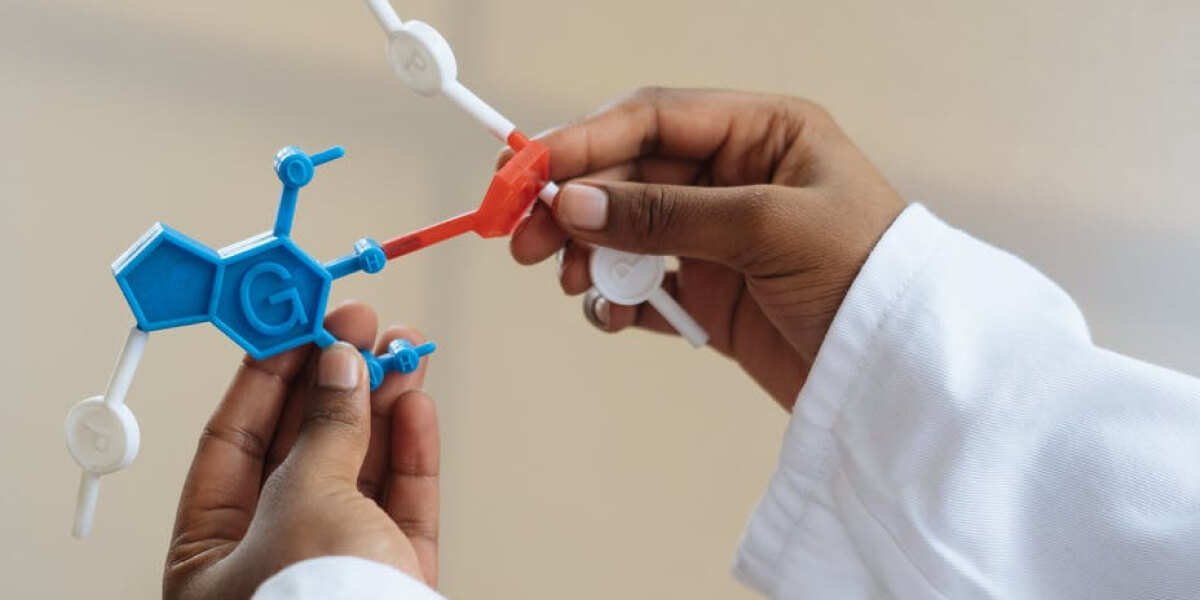
At the earliest stage of the discovery process, lead compounds are sought. Chemists working within computational chemistry and chemoinformatics can use software to design virtual molecules which might interact with the target proteins
04.
Clinical studies
All new medicines are thoroughly tested before they are marketed to ensure they are safe and effective for patients. Extensive clinical testing is undertaken to understand the efficacy of chemicals
05.
Drug safety (Pharmacovigilance)
Drug safety scientists collect and evaluate information from patients and healthcare professionals, working to identify new information about the use of chemicals and any side effects experienced.
06.
Research information
Research information professionals support research and development within pharmaceutical companies. They work closely with scientists, and also with clinical research, regulatory and commercial staff working in research and development.